Newsletter · · 2 min read
Illusion of mercy
On Love, Death, and a few hours
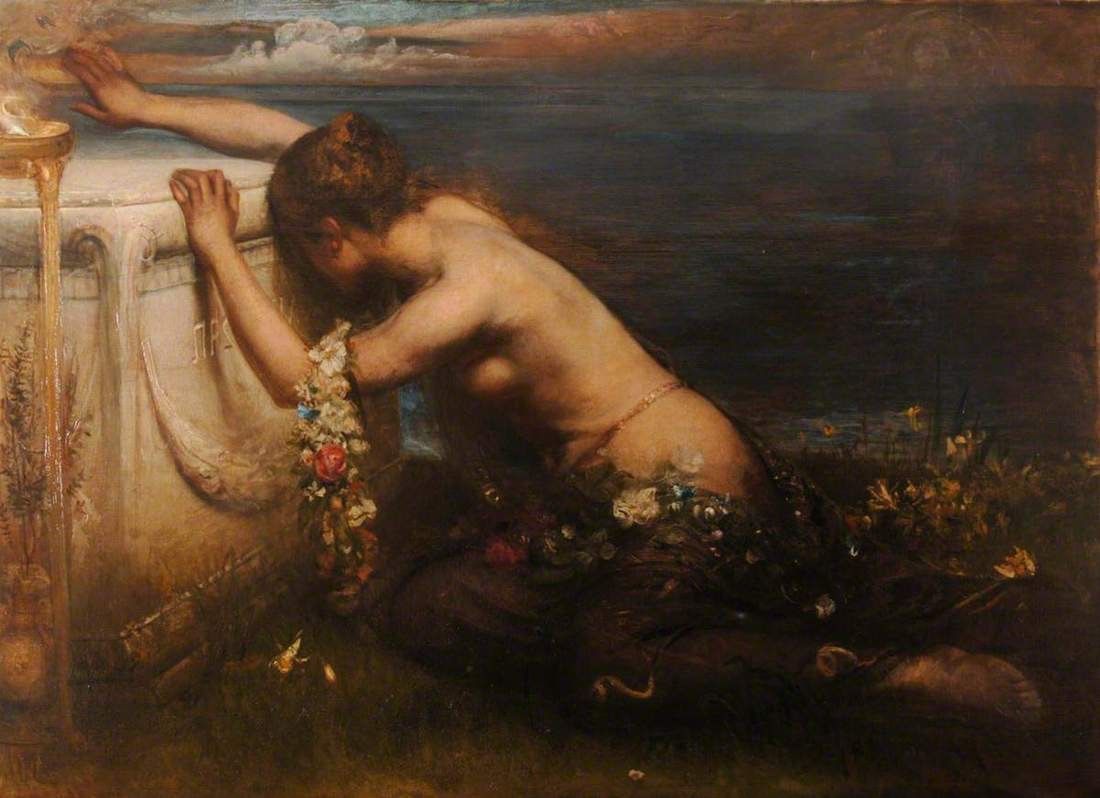
If someone you loved came back from the dead, would you remember they had to leave you again, and how long would it be?
Maybe the first hour would be puzzling and fatiguing. You would observe their face just to make sure that the memory did not learn how to copy grief. You would observe their voice and notice what the memory you had begun to erase—like maybe the way your name sounded in their mouth or the way they would pause in deep thought.
For the first time, death finally made a lapse of judgment. Unfortunately, you would notice the clock, and suddenly, you see having them back only had one destination, and that was to lose them all over again.
This is where an old Greek story of a woman named Laodamia and her husband, Protesilaus, starts. Before he left on his journey, Protesilaus heard of a prophecy: the first Greek soldier to step foot on Trojan soil would have the unfortunate destiny of death. Whether by stupidity, destiny, or just obscure arrogance, Protesilaus must have obtained it by prophecy; he insisted on stepping foot on Trojan soil.
One must think, though, this Greek story isn’t possibly about the tragedy of Protesilaus or the bravado of a leader. Perhaps it’s about how Laodamia cultivated a love so profound that even the Greek gods were moved passionately enough to give her what she wished.
Moved by her overwhelming love and sorrow Protesilaus could return to Laodamia for only three hours.
For three hours. We have all experienced life in memories that we take for granted every day. But Laodamia was only granted three hours to fit an entire lifetime—that's what we would call ephemeral.
Do you think she told him “I love you”? Or perhaps words became an empty voice, like a void in space, something incredibly cold to think about. Maybe she just stared at him thinking this was just an illusion. Possibly she asked questions in her head that her voice couldn’t say. Or maybe, one of them touched each other's skin, hoping this wasn’t a beautiful paradox.
This is the beauty behind an oxymoron. Laodamia wasn’t granted her husband; she was allotted just some more time to say a better goodbye. If Protesilaus had not returned, the desolation of Laodamia might have turned into something different. The face of her grief eventually might have just reshuffled around the brain of her memory. The grievous “might” would have became a little less undemanding.
After the gift of Protesilaus had to return to sender, Laodamia did something that modern society does on a daily basis. She made an image of him, something that even death or the gods couldn’t take away. Though the gods called it mercy, it was really just a scheduled heartbreak wrapped in a bow and paper. A beautiful curse.
We make the same images, the text messages you refused to delete, the pictures you tell yourself you will stop looking at, voicemails with voices only you can recognize, and even videos that served you no original purpose. Perhaps Laodamia’s statue of Protesilaus wasn’t a cry for help; maybe it was Laodamia saying this illusion of mercy will not win.
That's the dual nature of memory; you will be told you can keep them in thought, but you have to always remember they will leave you in flesh.
Laodamia did something that some of us aren’t brave enough to do, and that’s to just say goodbye one more time.
— Gatsby