Newsletter · · 6 min read
Being A Romantic In An Unromantic World
With time, I’ve come to see that being a romantic is not defined by candlelight dinners or bouquets of flowers. Those are only symbols, surface gestures. The essence of romance lies elsewhere in the ability to believe in beauty, even in the smallest or most ordinary of things.
It is found in the hush of rain striking a roof, in a fleeting glance that carries more meaning than language ever could. To be a romantic is to feel deeply when it would be easier, and perhaps safer, to remain unmoved. It is to step into life not with guarded detachment, but with an openness that risks being pierced by its sorrows as much as uplifted by its joys.
The world often praises indifference as strength. Detachment is worn like armor, as though to care less were to suffer less. Yet to be a romantic is to refuse that protection. It is to walk willingly into the rawness of life, embracing both its tenderness and its ache.
There is poetry in every tragedy, if one is willing to see it. Loss, heartbreak, the inevitable passing of time all of it bears a strange, fragile beauty. Ordinary moments, too, hold quiet magnificence: a shared laugh between strangers, the way sunlight clings to a weathered street, or the silence of another’s presence that says more than words.
Romanticism is not an escape from reality but a devotion to it. It is the act of finding the extraordinary in what others dismiss as mundane, of marveling even when life feels heavy or fleeting. To be a romantic is to live as though every moment matters because it does.
And though the world may call it naïve, perhaps there is no truer wisdom than this: to see life as poetry, even in its tragedies.
The Strength of Vulnerability
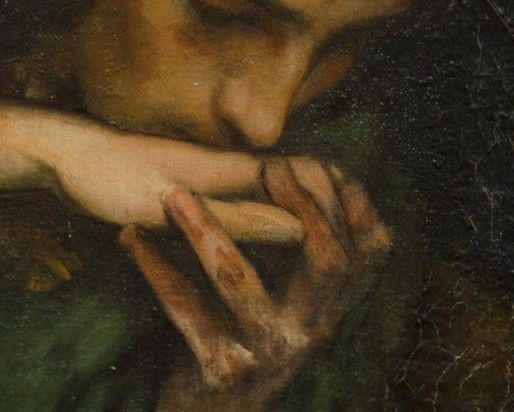
We are often told to guard ourselves, to keep a distance from feeling too much. Detachment is praised as wisdom, and indifference as strength. The less you care, the less you can be hurt this is the logic of our age. Yet the heart knows otherwise. What is called weakness is, in truth, the greatest strength: vulnerability.
To be vulnerable is to step into the world without armor, to allow oneself to feel joy fully, knowing sorrow may follow. It is the willingness to be wounded in order to live deeply. Rainer Maria Rilke wrote, “Let everything happen to you: beauty and terror. Just keep going. No feeling is final.” The romantic takes this to heart. To close oneself off is to avoid suffering, but it is also to avoid beauty.
There is courage in choosing to feel. A life of numbness may be safe, but it is also lifeless. The romantic embraces the storm, knowing it may leave scars, because scars are proof of having lived. Kahil Gibran wrote, “The deeper that sorrow carves into your being, the more joy you can contain.” The vessel of the heart must be hollowed by grief before it can hold the fullness of joy.
True strength is not the absence of pain, but the endurance of it without surrendering wonder. The vulnerable soul does not grow smaller when wounded it grows deeper. And in that depth, life reveals itself not as something to endure, but as something to marvel at, even in its tragedy.
To be vulnerable is to live with open hands, knowing they may be empty tomorrow. It is not weakness it is the very essence of strength.
Finding Poetry in Tragedy
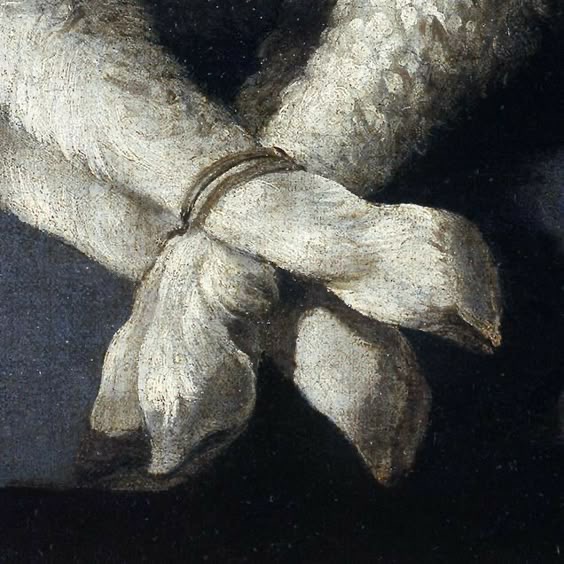
Most people fear tragedy as something that disfigures life, something to be avoided or forgotten. Yet tragedy has always been the mirror in which humanity most clearly sees itself. It is within loss, heartbreak, and the passing of time that the poetry of life reveals its deepest lines.
To be a romantic is not to deny sorrow but to recognize it as an inseparable thread in the fabric of existence. Dostoevsky once wrote, “The mystery of human existence lies not in just staying alive, but in finding something to live for.” Tragedy reminds us of this mystery. It asks us what we value when everything else falls away.
There is a strange beauty in the way grief lingers, reshaping us. A broken heart is proof that we once dared to love; the ache of absence is proof that something once mattered enough to lose. Leonard Cohen said, “There is a crack in everything, that’s how the light gets in.” Tragedy is that crack. It wounds us, yes, but it also opens us to a light we might never have noticed otherwise.
The world would prefer we see suffering only as ruin, but to the romantic, it is also revelation. Within sorrow lies the tender reminder that life is fragile, fleeting, and therefore infinitely precious. Even as we mourn, we are made more aware of the fragile miracle of being alive at all.
To find poetry in tragedy is not to glorify pain it is to recognize that pain and beauty are not opposites, but companions. Life is not diminished by its sorrows; it is deepened by them.
The Ordinary, Extraordinary
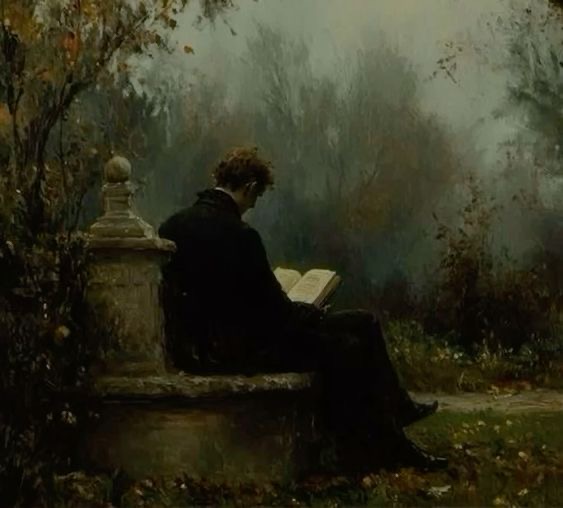
We are trained to look for meaning in great events-births, deaths, achievements, heartbreaks. Yet most of life is not lived in those peaks, but in the quiet spaces in between. The world tells us these ordinary moments are trivial. A romantic knows otherwise: the extraordinary often hides in what seems most small.
Marcel Proust once observed, “The real voyage of discovery consists not in seeking new landscapes, but in having new eyes.” To see the ordinary with new eyes is to recognize that life itself is miraculous, even in its plainest gestures. The way morning light pools across a kitchen table, the sound of footsteps on pavement at dusk, or the glance of recognition from a stranger—these things carry a weight that escapes those who rush through them.
William Blake put it simply: “To see a World in a Grain of Sand and a Heaven in a Wild Flower.” The romantic is one who has not lost this vision, who insists that the world is already filled with wonders too subtle for a distracted eye.
There is nothing naïve about this seeing it requires attention, patience, and reverence. To honor the ordinary is to resist the culture of constant distraction, which numbs us to what is quietly sacred. A romantic slows down long enough to notice that a silence between two people can speak more than a hundred conversations, that even the simplest gesture may hold the fullness of the human story.
The extraordinary does not need to be chased; it is already here, stitched into the fabric of daily life. The only requirement is that we look with eyes willing to marvel.
Romanticism as Rebellion
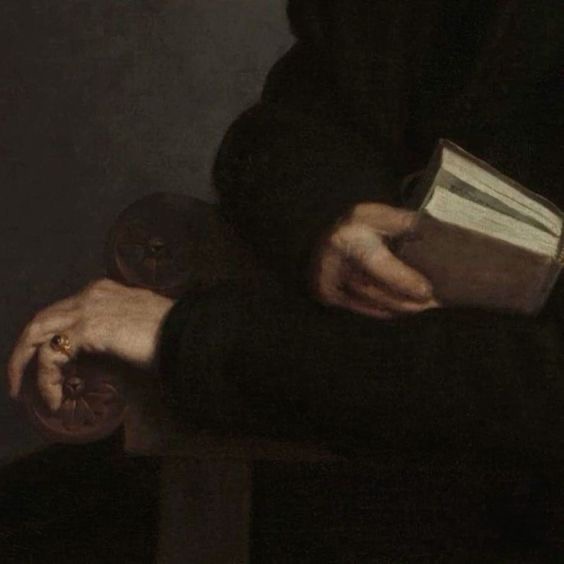
To believe in beauty today is to rebel. We live in an age that prizes cynicism, where clever detachment is mistaken for wisdom and irony stands in for truth. To insist on wonder, to speak of love without embarrassment, to marvel at life without apology this is not weakness. It is resistance.
Oscar Wilde once said, “A cynic is a man who knows the price of everything, and the value of nothing.” Cynicism reduces the world to transaction, stripping life of its sacredness. Romanticism answers with value, with meaning, with reverence. Where cynicism shrugs, the romantic kneels in awe. Where the world dismisses, the romantic insists.
Albert Camus, in The Rebel, wrote: “I rebel—therefore we exist.” To rebel does not always mean to shout in the streets; sometimes it is simply to live against the grain of despair. A romantic’s rebellion is quiet but unyielding: to continue believing in love when it fails, to continue seeking beauty in a world that often looks ugly, to continue opening the heart when it would be easier to close it.
There is no greater defiance than hope, no greater protest than wonder. The romantic does not deny pain or tragedy, but refuses to let them have the final word. In a culture that numbs, mocks, and distracts, the act of feeling deeply of seeing life as poetry is itself a revolution.
To be a romantic, then, is not to retreat from the world, but to confront it with open eyes and an open heart. It is to believe, against the grain, that life is still worth marveling at.
— Gatsby