Newsletter · · 2 min read
The Invisible Theater of Daily Life
On the Stories We’ll Never See but Always Brush Against
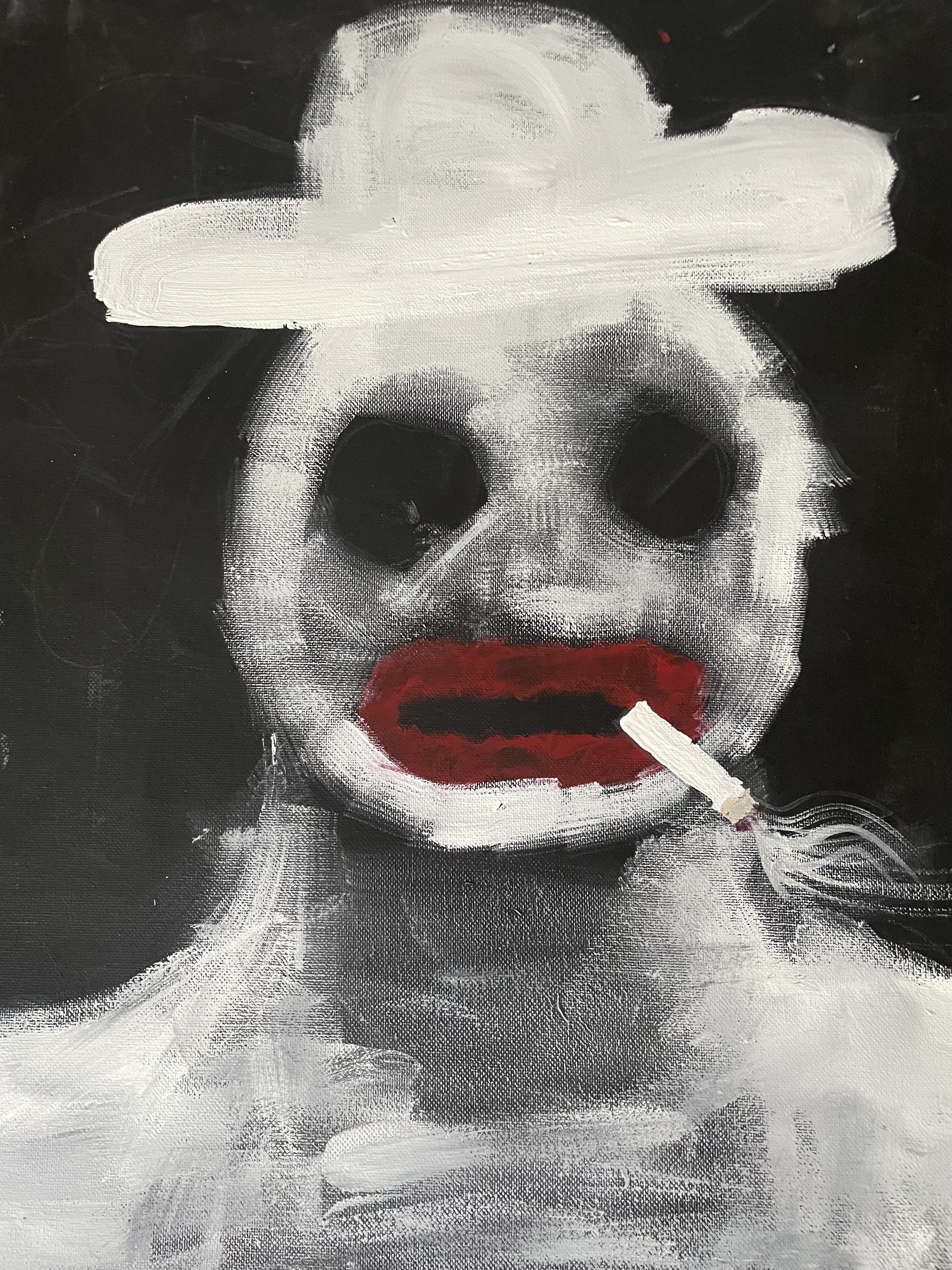
Everywhere we walk, a play is unfolding. Strangers moving past us are not simply strangers; they are actors mid-scene, carrying scripts we will never read. The man rushing across the street might be late for a job interview that could change his life or he may be running from something altogether different. The woman gazing out of the car window might be rehearsing the memory of someone she once loved, or perhaps she is only counting the minutes until her break ends.
We rarely stop to think that while we live inside the center of our own story, to others we are just background characters passing silhouettes, voices overheard for a second, the faint outline in someone else’s memory. And yet, that is the strange beauty of existence our lives intersect in invisible ways, like lines in a script that overlap for a single word before parting again.
But beneath this beauty lies a quiet dread no matter how many faces we pass, no one will ever fully know the script we carry. The tragedy of life is not only that others remain mysteries to us but that we, too, remain mysteries to them. Our deepest thoughts, our private fears, our truest selves will never be completely translated, even to those closest to us.
Perhaps this is why loneliness clings to even the most crowded rooms. We are surrounded by lives, yet locked inside our own role, speaking lines no one else can quite hear the way we mean them. Everyone performs, everyone hides, everyone longs to be understood but the curtain rarely lifts.
And still, there is a certain grace in this distance. To recognize that every figure in the crowd is not faceless, but full. That we will never exhaust the depth of human lives, and never fully touch their edges. It is humbling, even terrifying, but also quietly sacred.
Maybe that is what it means to be alive not to master the play, but to wander through it part witness, part performer aware that every small role matters, even if the audience never sees.
— Gatsby