Newsletter · · 6 min read
Razzle Red
Attention, Attachment, and the danger of mistaking closeness for commitment
There are people who become loyal before they are asked to be.
Not because there is a ring. Not because there is a title. Not because someone has stood before them and promised forever with a trembling voice. They become loyal in the quiet beginning, in that fragile room people now call the talking stage, where nothing is official but everything is already being felt.
They stop entertaining others. They start imagining a future. They protect the possibility before it becomes a relationship. They begin to move as if love has already placed its hand on their shoulder and told them, be honorable here.
And then there are others who do not see the talking stage as a beginning. They see it as a selection process. A marketplace. A season of keeping doors open. They speak with warmth, flirt with sincerity, ask intimate questions, share pieces of themselves, but somewhere in them remains a small exit sign glowing red.
This is where the wound begins.
Not always because someone cheated. Not always because someone lied. But because two people were standing in the same place with different definitions of loyalty. One thought, I am watering what could grow. The other thought, I am seeing what grows best.
And maybe this is not only a dating problem. Maybe this is a human pattern.
Some people are faithful to possibilities. Others are faithful only to proof.
There is something almost tragic about being the kind of person who commits to the unseen. The kind of person who does not need a signed contract to start acting with care. The kind of person who believes that if something feels sacred, then it should be protected before the world gives it a name.
But the modern talking stage often punishes that kind of person.
It asks them to be open, but not too open. Interested, but not too invested. Honest, but not too vulnerable. Available, but never expectant. It teaches people to pretend they are less attached than they are, as if the one who cares less has somehow won.
But what kind of victory is that?
To be loved by someone who is afraid to seem loving. To be wanted by someone who is trained to hide their wanting. To be in a world where affection must disguise itself as indifference just to survive embarrassment.
That is the small sickness of it.
We have made sincerity look desperate. We have made loyalty look foolish. We have made emotional discipline look like weakness when maybe it is one of the last forms of honor left.
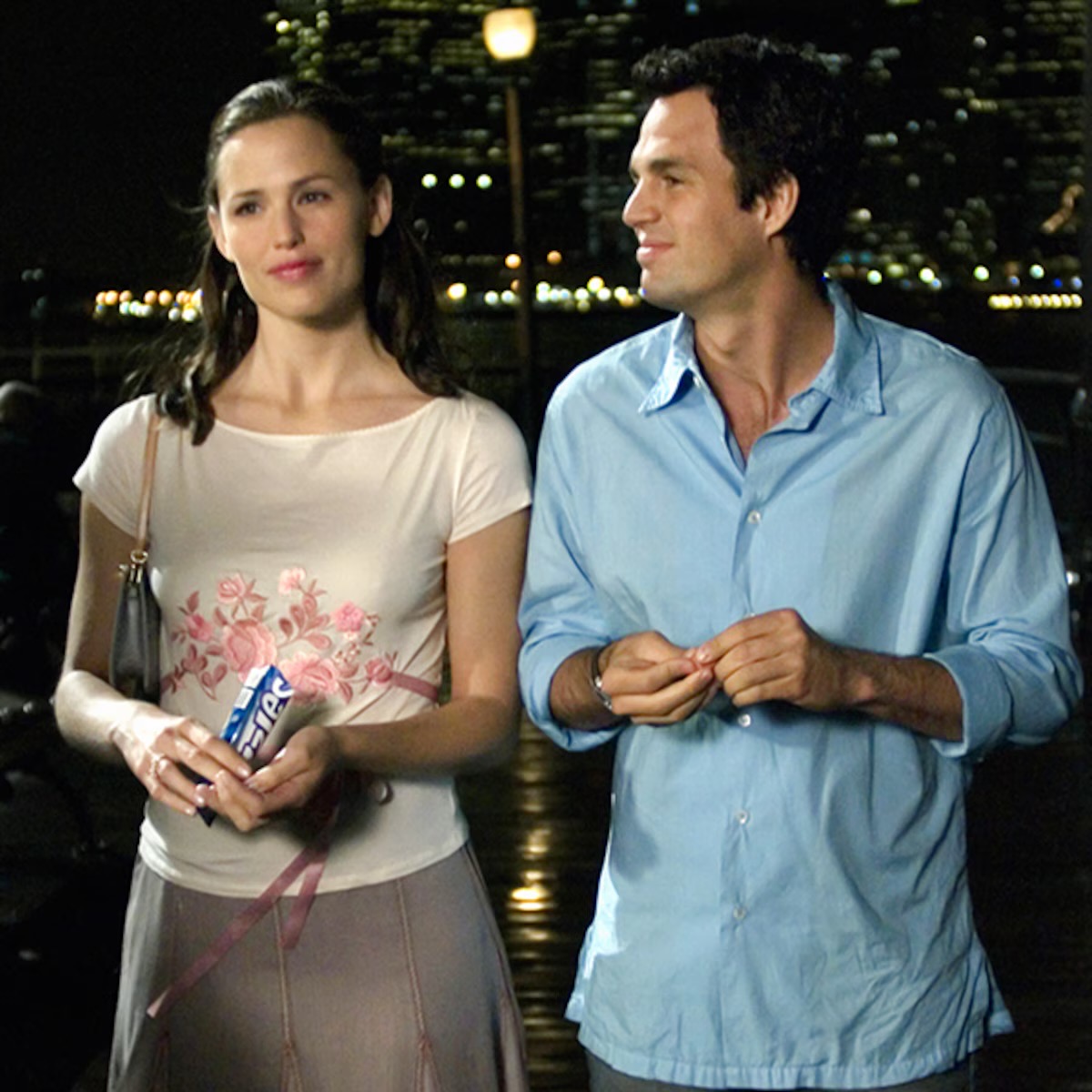
There is a scene in 13 Going on 30 where the question is almost childish: What color is my tongue?Red. But not just red. Tongue red. Razzle red.
And maybe that is why it stays with me.
Because intimacy is not always some grand confession under rain. Sometimes it is absurd. Sometimes it is a person sticking out their tongue and trusting you to notice the exact shade. Sometimes it is two people laughing inside a moment so small that anyone outside of it would miss its holiness.
That is what the talking stage becomes for some people.
Not a game. Not a waiting room. Not a place to collect options. But a little world being built out of attention. A question. A joke. A song sent at the right time. A photograph that means nothing to anybody else. A phrase repeated until it belongs only to the two of you.
And that is where loyalty begins for certain people.
Before the title. Before the promise. Before the world knows what to call it.
They become loyal because something intimate has already happened. Not physically, maybe not even officially, but spiritually. The other person has stepped into the private room of their imagination. And once someone has been allowed there, they stop feeling like a stranger.
That is what people misunderstand.
Sometimes loyalty does not begin when someone says, “You are mine.” Sometimes it begins when someone makes you feel seen in a way that feels too rare to be casual.
When they remember the small thing.
When they ask about what everyone else forgot.
When they make the ordinary feel chosen.
When they create a language with you that nobody else speaks.
And then, suddenly, you are not just talking anymore. At least not in your spirit.
You are standing in the doorway of devotion.
But the danger is this: not everyone treats intimacy as a responsibility.
Some people enjoy access without reverence. They enjoy being close to someone without understanding what closeness awakens. They like the warmth, the attention, the late-night honesty, the little rituals, the emotional nakedness of another person slowly trusting them. But they do not feel obligated to protect what has been opened.
They will enter your inner world and still call themselves single in every direction.
They will make you feel chosen in private and uncertain in public.
They will hold your attention with tenderness while keeping their options alive.
And when you finally speak from the wound, they may say, “But we were never together.”
As if the absence of a title erases the presence of intimacy.
As if loyalty only matters after a label.
As if emotional betrayal cannot happen in undefined places.
This is where the talking stage becomes cruel. Because it allows people to hide behind technical innocence. They can say they did nothing wrong because no rule was spoken. But sometimes the human heart knows when a law has been broken even if no one wrote it down.
There are vows people never say aloud but still imply.
There are promises made through consistency.
There are commitments born through tenderness.
There are people who make you feel safe enough to lower your guard, then act surprised when you bleed after they mishandle what you exposed.
And maybe that is the larger pattern of humanity.
Some people live with reverence. Others live with appetite.
Some people see access to another person as sacred. Others see it as availability.
Some people, when handed someone’s vulnerability, become gentle. Others become curious, entertained, even flattered, but not responsible.
This does not only happen in romance. It happens in friendship, family, faith, community, everywhere humans meet each other with unequal seriousness. One person brings covenant energy into a casual room. One person treats a bond like a temple while the other treats it like a shelter they can leave once the rain stops.
And maybe that is why it hurts so deeply.
Because it is not just rejection. Rejection can be survived. It is the confusion of being invited into closeness, then punished for believing closeness meant something.
It is being told, without words, come nearer, and then later hearing, why are you so close?
It is being handed a match in the dark and then blamed for believing there would be fire.
But loyalty before being chosen is not always foolish.
Sometimes it is beautiful.
It means there are still people who can honor a seed before it becomes a tree. People who can look at the beginning of something and say, I will not poison this just because it is not fully grown yet. People who understand that love does not only die from betrayal after commitment. Sometimes it dies in the beginning, from carelessness, from ego, from keeping too many doors open in a room where someone else has already taken off their shoes.
Still, there must be wisdom.
Because loyalty without mutuality can become self-abandonment.
You can be honorable without becoming blind. You can be sincere without handing your whole heart to someone who has not shown they can carry it. You can protect what could be while still watching whether the other person is protecting it too.
That is the balance.
Do not let the world shame you for being loyal. But do not confuse your loyalty with evidence of theirs.
Do not become cold just because others are careless. But do not call every intimate moment a covenant when the other person is still treating it like a conversation.
The tongue may be red. Tongue red. Razzle red.
The moment may be soft. Funny. Sacred in its own strange way.
But even sacred moments need honest hands.
Because some people will build an entire chapel out of attention. Others will only remember the joke.
And that is the difference.
One person thought it was intimacy.
The other thought it was chemistry.
One person thought it was a beginning.
The other thought it was a possibility.
One person became loyal to what was forming.
The other stayed loyal to what else might appear.
So maybe the tragedy of the talking stage is not that people want different things.
It is that so many people create the feeling of devotion without the courage to be devoted.
And some of us, still foolish enough to believe in meaning, still human enough to treat small moments like holy evidence, must learn the difference between being seen and being selected.
Because being noticed is not the same as being chosen.
And being intimate is not always the same as being loved.
But for those who are loyal before chosen, love has never been only about possession. It has always been about reverence. About seeing something fragile and refusing to be careless with it.
That may not always win.
But in a world of options, exits, and emotional marketplaces, there is still something rare about the person who can say:
Before I knew what we were, I knew how I wanted to treat you.
— Gatsby